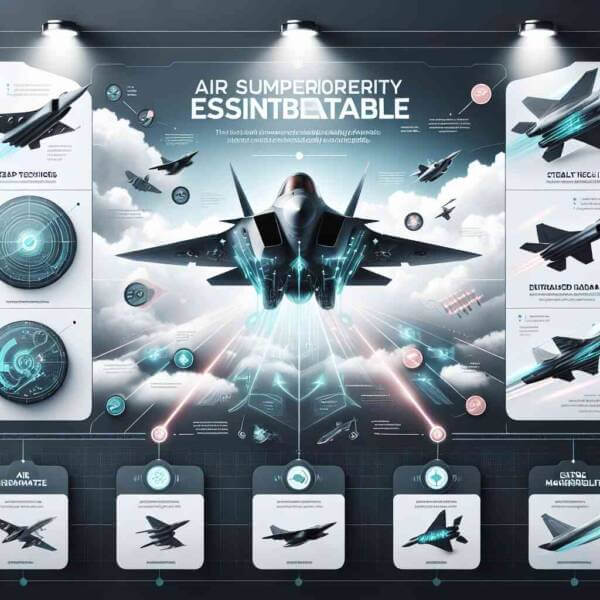
Since its beginnings in the early 20th century, military aviation has changed how wars are fought.
Nations invest heavily in military aviation to enhance defense capabilities.
How Military Aviation Began
Military aviation started during World War I, with aircraft initially used for reconnaissance.
Major milestones in military aviation history include:
- First use of armed aircraft in combat
- Creation of long-range bombers and jets
- Emergence of strategic bombers and nuclear deterrence
- Remote operations changing the face of conflict
Each era brought innovative strategies that expanded aerial warfare.
Main Categories of Military Aviation
Understanding the types of military aircraft helps in appreciating the complexity of modern air forces.
Major aircraft classifications:
- Aircraft designed for air-to-air combat
- Bombers
- Planes used to move troops and equipment
- Unmanned aircraft for intelligence gathering
Each type plays a critical function in military operations, from securing airspace.
Importance of Air Superiority
Air superiority is crucial for achieving military success.
How controlling the air impacts battles:
- Providing close air support
- Targeting infrastructure and logistics
- Gathering critical intelligence
- Psychological impact on enemy forces
Nations with strong military aviation capabilities can defend their interests more effectively.
Advancements Shaping the Future
Military aviation is at the forefront of technological innovation.
Cutting-edge developments:
- Stealth technology
- Ultra-fast strike capabilities
- Autonomous drones
- New forms of aerial weaponry
These advancements enhance lethality for air forces worldwide.
Risks and Limitations
From high costs to geopolitical tensions, the road to air dominance is never simple.
Pressing issues in military aviation:
- Rising development and maintenance costs
- Short life cycles for cutting-edge aircraft
- Cybersecurity threats
- New debates about AI in warfare
Addressing these challenges is essential for maintaining air power.
What Lies Ahead
The future of military aviation promises faster, smarter, and more autonomous systems.
Future trends may include:
- Smarter decision-making systems
- Defending assets beyond Earth
- Eco-friendly military aircraft
- Joint defense projects
The next era of military aviation will redefine defense.
Final Thoughts on Military Aviation
Military aviation remains an get more info irreplaceable element in global defense.
As technology continues to evolve, the skies will remain a vital domain where military aviation safeguards freedoms.
The future of military aviation is more dynamic than ever — and it’s only just beginning.